In the world of Agile project management, backlog refinement is a crucial process that ensures teams are working on the most valuable tasks. Augusto Sosa Escalada, in collaboration with colleagues Omar Bermudez, Jean-Michel Lavoie, and Jesus Mendez, has formalized a seven-step approach known as the "Refinement Value Stream." This method aims to mature product backlog items and bring them to a "Ready to Sprint" state.
Introduction: The Concept of "Ready to Sprint"
The "Ready to Sprint" status is a team's confirmation that they have everything necessary to complete a product backlog item autonomously within a future sprint. While each team may have a slightly different definition, the essence remains the same: avoiding the introduction of unprepared items into a sprint that may carry a high risk of incompletion.
Terms and Coverage
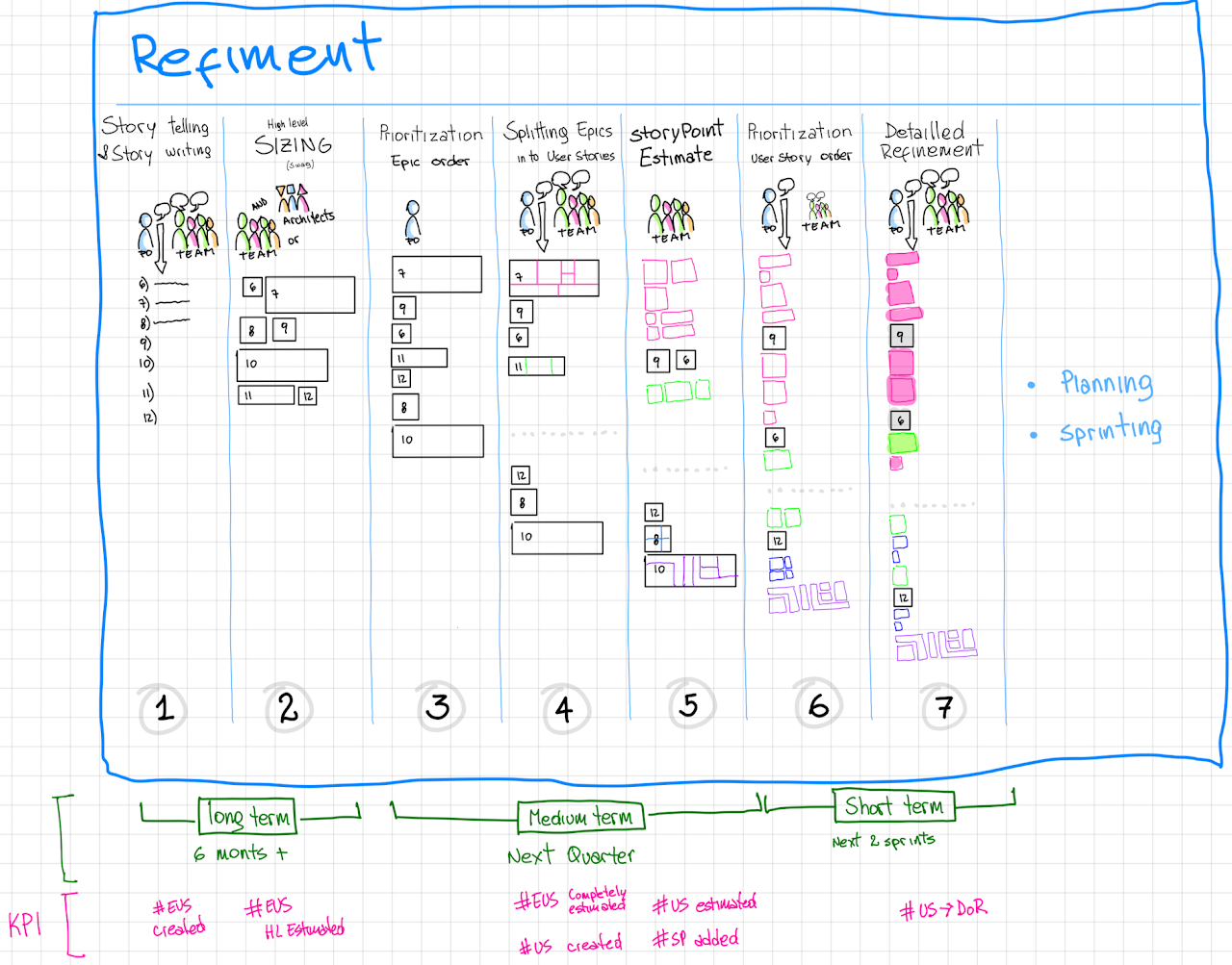
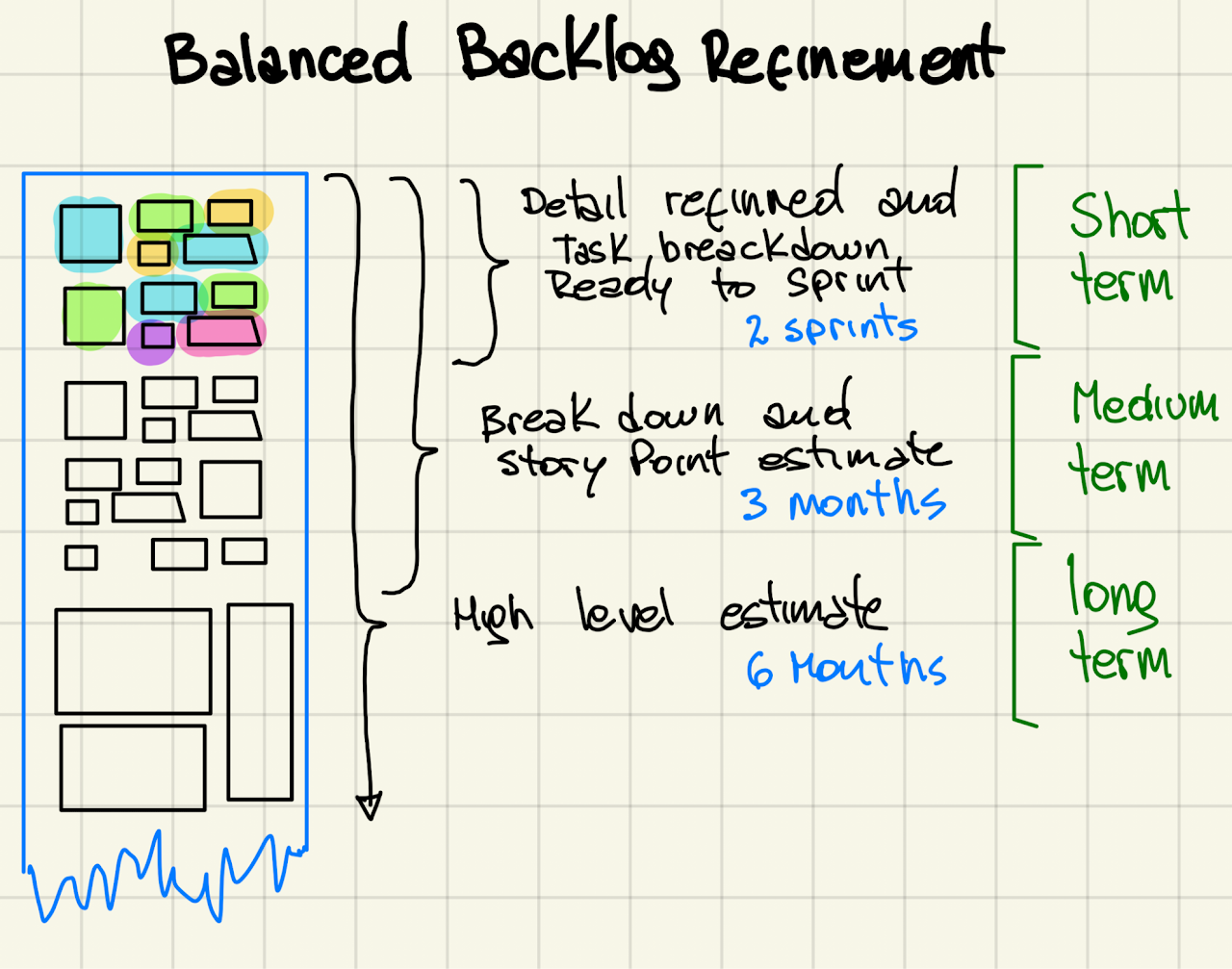
The seven steps of the Refinement Value Stream are divided into three temporal groups:
- Long-term: Activities planned for the next 6 months to 3 years
- Medium-term: Activities for the next two quarters
- Short-term: Activities for the next two sprints
Common Patterns
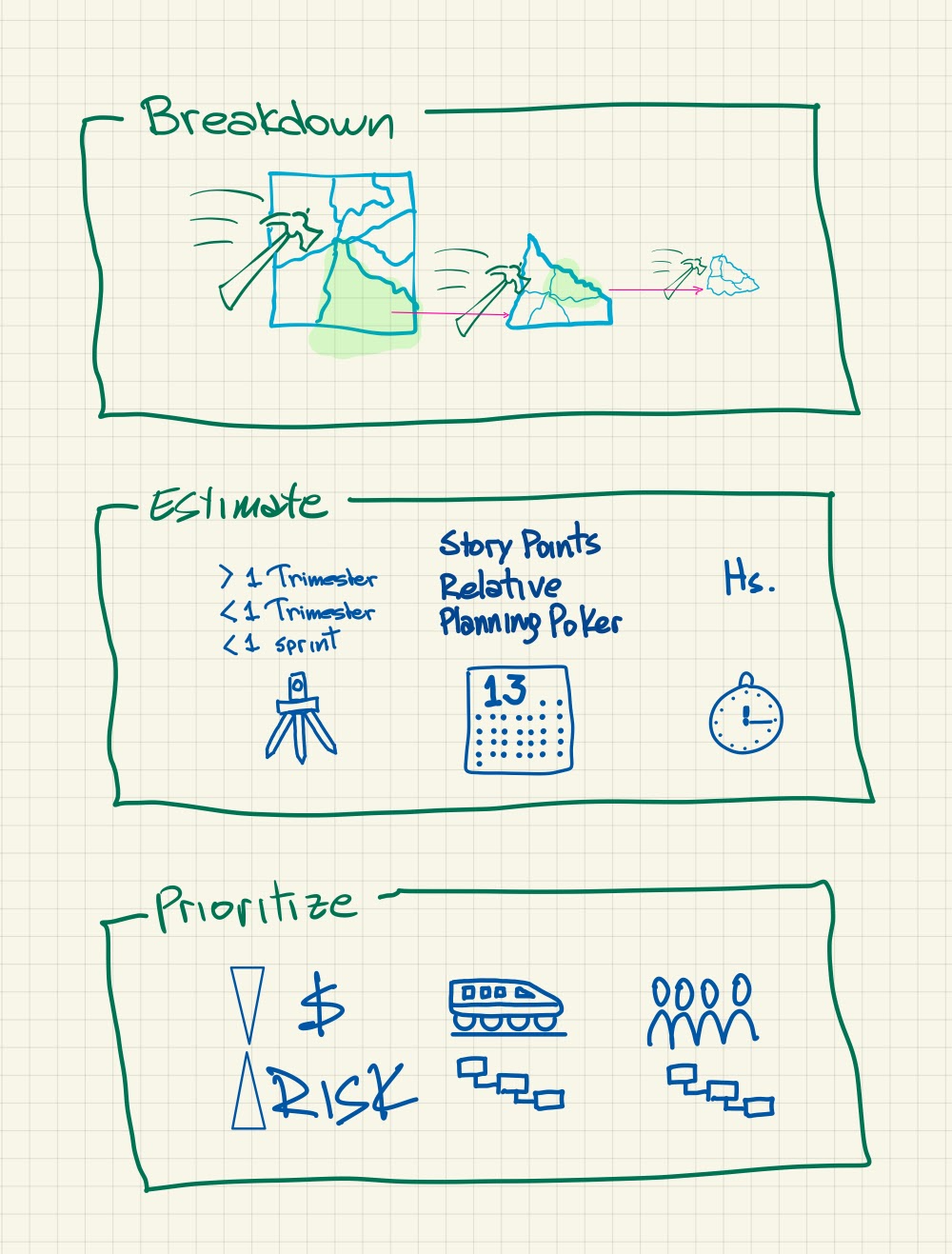
Across all time horizons, the process follows a similar pattern:
- Breakdown and write down
- Estimate
- Prioritize by added value
The estimation scale varies depending on the refinement term being addressed.
Long-Term Refinement
Step 1: Storytelling and Story Writing
This initial step involves writing down future plans for the product owner and organization in user story format.
Step 2: High-Level Sizing
A coarse-grained estimation is applied using only three values: Small, Medium, and Large. This simplified scale allows for rapid, rough estimation of backlog items.
- Small: Can be completed in one iteration
- Medium: Can be completed in one quarter
- Large: Requires more than one quarter
Medium-Term Refinement
Step 3: Prioritization of Large Work Items
The product owner prioritizes work using techniques like Weighted Shortest Job First to maximize value delivery.
Step 4: Epic Splitting
Large items that don't fit into a single iteration are broken down into smaller, manageable pieces.
Step 5: Story Point Estimation
Using a relative approach with the Fibonacci scale, items are sized by comparing them to past work. Story points represent ideal organizational days, as defined by Ron Jeffries.
Short-Term Refinement
Step 6: User Story Prioritization
The team prioritizes user stories, considering dependencies and coordination needs within the organization.
Step 7: Detailed Refinement
This final step involves a detailed conversation about the work, purposefully delayed until just before implementation. This approach favors verbal documentation over written, which can be slower to produce and consume.
Conclusion
The Refinement Value Stream focuses on proactively preparing work in advance, which also underscores the principle of "maximizing the work not done" by identifying and eliminating unnecessary work. By adhering to these seven steps, teams can ensure their backlog items achieve a "Ready to Sprint" status, thereby optimizing their Agile workflow and delivering maximum value.
Remember, effective backlog management is about increasing granularity of requirements progressively and avoiding over-investment in detailed specifications too early in the process.
References
- Sosa Escalada, A., The Secrets Behind Agile Backlog Refinement Success (Podcast)
- Jeffries, R., Story Points Revisited
- Special thanks to: Bermudez, Omar., Lavoie, Jean-Michel., & Mendez, Jesus.
Contact: Augustose@gmail.com